Entry · Ref AAXW1XYK
How to Prepare for a Fire Protection Quote in Denver Metro Commercial and Multifamily Buildings
- Posted
- 2026-10-20
- Last amended
- 2026-10-20
- Account
- @frontrangesafetycode383
If you manage a commercial property or multifamily building in the Denver area, getting a fire protection quote should be straightforward. In practice, it often is not. The quote itself is only the last step. What drives cost, scope, timing, and even whether a contractor can give you a clean proposal is the quality of the information you provide before anyone writes a number on paper.
That is especially true in the Denver metro market, where building and fire code review, permitting, inspections, and local enforcement all shape the work. Denver adopts the International Code Council building and fire code suite with local amendments, and projects may need permits and reviews tied to those codes. Denver’s Fire Prevention Division also has authority to inspect buildings, equipment, and life safety systems, including disabled or nonfunctioning systems. So when you ask for pricing, you are not just asking what a contractor charges. You are asking them to assess risk, code context, existing conditions, paperwork, and the path to approval.
Owners and property managers usually think they need a number. What they really need first is a picture of the building. The more complete that picture is, the better your quote will be.
A quote is only as good as the building information behind it
Most confusion starts when a caller says something like, “We need pricing for fire protection Denver metro service at our property,” but cannot answer basic questions about the system. Is there a sprinkler system throughout the building, or only in common areas? Is there a fire alarm panel, and if so, is it functioning normally? Was there recent tenant improvement work? Has the building had deficiency notices, failed inspections, or open repairs?
A contractor can still respond, but at that point the quote may turn into a budget number rather than a dependable proposal. That matters because fire protection work tends to uncover hidden conditions. A simple service request can expand once records show overdue inspections, disabled devices, or undocumented modifications.
I have seen this happen in ordinary situations. A manager requests a routine fire suppression system inspection Denver service for a mixed use property. The initial thought is annual testing and a few small repairs. Then the site visit reveals old reports with unresolved deficiencies, permit paperwork from prior tenant work that is hard to trace, and a panel issue that may require deeper evaluation. The quote changes because the actual job changed.
That does not mean the process is broken. It means preparation matters.
Start with the reason you are requesting the quote
There is a big difference between requesting service because your annual testing is due and requesting service because a remodel is underway, an alarm trouble signal will not clear, or an insurer asked for updated records. Contractors price differently when the purpose is different.
For example, if you need fire alarm system maintenance Denver service as part of regular upkeep, the contractor will focus on current system condition, access, testing requirements, records, and any known deficiencies. If you are planning a build-out, the conversation shifts. Denver tenant finish and alteration permit materials show that plumbing, fire suppression, and fire alarm permits can be part of tenant improvement work. In that setting, a quote may need to account for design review, permit coordination, inspection scheduling, and acceptance requirements tied to construction.
The same principle applies to a fire alarm panel upgrade Colorado project. A panel replacement is not the same as troubleshooting a single notification device or replacing a handful of detectors. One is a limited repair conversation. The other may involve broader review of compatibility, documentation, approvals, and inspection planning.
When you reach out for pricing, explain what triggered the request. That one piece of context can save rounds of back and forth and keep your quote from drifting.
Know which systems are in the building
A surprising number of quote requests fail at this stage. People know they have “fire protection,” but that phrase can cover several different systems, each with its own inspection and maintenance standards.
NFPA 72 is the core standard for fire alarm systems, including installation plus inspection, testing, maintenance, and emergency communications systems. NFPA 13 covers the design, installation, and acceptance testing of automatic sprinkler systems. NFPA 25 covers inspection, testing, and maintenance of water-based fire protection systems, including sprinkler systems, standpipe systems, fire pumps, and water storage tanks.
That means a Denver metro property might need separate attention for alarm devices, sprinkler piping, standpipes, a fire pump, and associated testing and records. If a contractor receives a vague request, they may have to quote a site survey first, simply to identify what is there.
Before you ask for proposals, gather the basic inventory. You do not need to be a technician. You just need to know enough to describe the building responsibly. Is there a monitored fire alarm system? Are there commercial fire sprinkler systems Colorado throughout the property? Is there a fire pump that will require fire pump testing Colorado service? Is there a backflow assembly tied to the fire line that will need backflow preventer testing Denver support? Are portable extinguishers part of the service request, meaning you also need fire extinguisher service Denver?
That level of clarity helps everyone.
Records shape cost more than many owners expect
If I could give one piece of practical advice to any owner, manager, or board preparing for a quote, it would be this: gather your records before you call.
The local enforcement side matters here. The authority having jurisdiction, often called the AHJ, can be the fire chief, fire marshal, building official, or similar official who enforces the code locally. In the Denver area, keeping records, inspection reports, deficiency notices, and certification paperwork ready for review is not just helpful, it is part of staying organized for code and inspection conversations.
Without records, a contractor has to spend more time reconstructing the building’s history. That costs money, but more importantly, it can hide risk. If prior reports identified deficiencies or impairments and no one can confirm whether they were corrected, the quote may need contingency language or a broader exploratory scope.
A strong quote package usually includes these items:
- Recent inspection, testing, and maintenance reports for alarm, sprinkler, pump, and related systems
- Deficiency notices, impairment notices, and documentation showing what was repaired
- Permit and plan information from past remodels or tenant improvement fire protection Denver work
- Contact information for building management, monitoring provider, and anyone with site access
- A clear description of the immediate need, such as annual service, repair pricing, or construction-related changes
That list is short, but it tells the story of the building. If something is missing, say so plainly. Good contractors would rather hear “we only have last year’s alarm report and nothing else” than receive a stack of half-complete paperwork with no explanation.
Deficiencies, impairments, and open issues should never be buried
This is one of the most common mistakes in quote preparation. A property manager worries that sharing known problems will drive up price, so they keep quiet until the walk-through. That usually backfires.
NFPA guidance makes clear that inspection findings, deficiencies, and impairments are part of normal fire protection system maintenance and should be addressed under the applicable standard. Sprinkler and standpipe systems are evaluated under NFPA 25, with compliance verified by the local enforcement agency. If a system has known trouble conditions, failed components, disabled sections, or unresolved findings, that is not side information. It is central information.
Say you have a multifamily building where part of the sprinkler system was shut down during repairs, or a mixed use building where a trouble condition keeps appearing on the fire alarm panel. Those facts affect labor planning, testing, parts assumptions, scheduling, and sometimes occupancy coordination. They also influence how a contractor frames risk in the proposal.
A clean quote comes from transparency. If the building has issues, put them on the table early. You are not making the job harder. You are making the quote more accurate.
Tenant improvements change the quoting process
Tenant improvement work often catches owners off guard. They think they are only pricing a few relocations or a small addition, then learn that fire alarm and fire suppression permits may be part of the work. Denver materials for tenant finish and alteration permits indicate exactly that, and Denver code materials show that fire alarm and sprinkler-related work is tied to permit review and inspection during construction and remodeling.
For owners of office, retail, or mixed use properties, this matters a lot. A tenant moving a wall, changing a suite layout, or altering ceiling conditions can affect device locations, sprinkler coverage, and acceptance requirements. The quote has to account for more than field labor. It may need to reflect review cycles, permit coordination, and the practical reality that construction schedules rarely move in a straight line.
Multifamily owners run into a similar issue during clubhouse renovations, leasing office upgrades, or amenity space remodels. The work may look cosmetic from a distance, but fire protection systems do not care whether the finish is high end or basic. If the space changes, the systems may need review too.

When asking for tenant improvement fire protection Denver pricing, be ready to share drawings if you have them, even if they are preliminary. A contractor can usually say more with one marked-up floor plan than with twenty emails.
The building walk-through matters, and access matters just as much
A quote without a site visit can work for some narrow scopes, but many commercial and multifamily jobs in the Denver metro area benefit from a physical walk-through. Existing conditions drive everything. Ceiling heights, riser room access, valve locations, panel condition, room labels, locked areas, and after-hours constraints all affect scope.
There is also the simple issue of access. A contractor may need to inspect multiple spaces, not just the leasing office or front lobby. In a multifamily property, that might include common areas, mechanical rooms, risers, electrical rooms, and select dwelling units if testing touches devices in occupied spaces. In a commercial building, it might include tenant suites, back-of-house spaces, and service rooms.
I have seen quotes delayed for a week because no one could open the sprinkler room. I have also seen pricing swing because a manager described a straightforward six-story access pattern that turned out to involve separate locked wings, elevator controls, and limited maintenance staffing on site. These are not dramatic issues, but they change real labor hours.
If you want the quote process to go smoothly, assign one point person who can answer questions and get doors opened.
Be clear about what kind of quote you want
Not every quote is meant to do the same job. Some owners want a budget for planning. Some need a firm service proposal. Some need repair pricing tied to recent reports. Others need support for emergency fire protection Colorado response because a system is impaired or a failure has disrupted building operations.
Those are very different requests.
A budget quote is useful when a building is still scoping options. A firm proposal is better when records are solid, access is available, and the scope is known. Repair pricing works best when tied to actual deficiencies. Emergency work usually moves on a faster timeline and may require immediate triage before anyone can settle cost with precision.
If you tell a contractor, “We need a number by Friday,” but leave out that the request supports a fire marshal inspection Colorado follow-up on a disabled system, you are missing the most important context. Timing, urgency, and enforcement status affect how a contractor responds.
Prepare for the code and inspection conversation, not just the contractor conversation
A lot of owners think the contractor is the only audience for the quote package. In reality, the same information may later matter to the fire marshal, building official, plan reviewer, or another AHJ representative.
Denver’s Fire Prevention Division is authorized to inspect life safety systems and investigate disabled or nonfunctioning fire protection systems. That means records and system status are not merely internal housekeeping matters. They can become part of a broader fire code compliance Denver conversation if a system is impaired, overdue for maintenance, or modified during a project.
This is why clean documentation pays off twice. It helps the contractor quote accurately, and it helps the building respond confidently if there is an inspection or review.
A property that can quickly produce recent reports, explain open deficiencies, and show what work is planned usually has a much easier time than a property scrambling to piece together history from old emails.
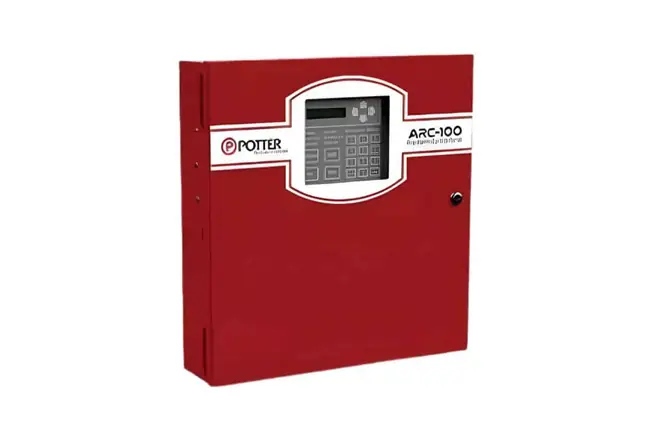
Common reasons quotes become inaccurate
Most bad quotes are not the result of bad estimating. They come from incomplete or misleading inputs. In my experience, these are the most common causes:
- The requester does not know which systems are in the building
- Past reports and deficiency documentation are missing
- Recent remodels or tenant changes are not disclosed
- Building access restrictions are discovered too late
- The owner asks for repair pricing when the real need is a broader evaluation
Each one seems small on its own. Together, they can turn a simple fire suppression system inspection Denver request into a much larger project discussion.
What a contractor is trying to understand behind the scenes
When a qualified fire protection contractor reviews your request, they are mentally sorting the job into several buckets at once.
They are trying to identify the applicable system type and standard. They are gauging whether the work is routine maintenance, repair, impairment response, or alteration. They are estimating how much of the building history is documented. They are considering permit and inspection implications, especially if construction or modifications are involved. And they are deciding whether the request can be quoted from records, or whether the site conditions are too uncertain without a walk-through.
That is why vague requests slow things down. If the contractor has to discover the building before they can price the building, the first quote may only be for discovery.
There is nothing wrong with that, by the way. On some older properties, especially those that have changed hands, that is the most honest starting point. A scoped survey or assessment can be a smart first move when system history is incomplete.
If your building has multiple systems, bundle the information even if the work is separate
Many Denver metro properties do not have just one fire protection need. A building may need alarm maintenance, sprinkler inspection support, pump testing coordination, extinguisher service, and documentation review all in the same quarter. That does not always mean one combined contract, but it does mean the quote process improves when you present the full picture.
For example, if your building is due for fire alarm system maintenance Denver work and also needs fire pump testing Colorado, say that up front. If recent reports mention a backflow issue, mention the need for backflow preventer testing Denver review too. If a planned remodel could trigger a fire alarm panel upgrade Colorado discussion later, include that context.
Bundling information does not commit you to one scope. It simply helps the contractor see overlaps in scheduling, access, and documentation. That can lead to a cleaner proposal and fewer return visits.
A practical way to get ready this week
You do not need to become a code expert to prepare for a fire protection quote. You do need a workable file and a clear summary. For most commercial and multifamily owners, that preparation can happen in an afternoon if someone takes ownership.
Start by pulling your most recent reports. Then confirm what systems are on site. Check whether any past tenant work touched alarm or sprinkler coverage. Ask your maintenance team if there are known trouble signals, disabled devices, or open repair items. Finally, decide whether you need routine service, repair pricing, project support, or urgent response.
That may sound basic, but it is the difference between getting a useful proposal and getting a long list of follow-up questions.
Better preparation leads to better pricing, fewer surprises, and smoother inspections
The best fire protection quotes are rarely the fastest ones. They are the ones built on complete information, honest disclosure, and a realistic understanding of how Denver review, permits, inspection authority, and system standards fit together.
For commercial owners, that often means aligning building records with upcoming project needs. For multifamily operators, it usually means balancing occupied-building logistics with system maintenance and documentation. In both cases, the path is the same. Know what is installed, know what condition it is in, know what records you have, and say clearly what you need.
When you do that, the conversation changes. read this guide Instead of asking a contractor to guess, you give them enough detail to solve the right problem. That is how you get a quote that is useful in the field, useful in the office, and useful if the AHJ or fire marshal needs to review what is happening at the property.
And in this line of work, useful beats cheap every time.