Entry · Ref HHUARHUX
AHJ Approval for Fire Protection in Denver: How Fire Code Review, Testing, and Sign Off Usually Work
- Posted
- 2026-10-20
- Last amended
- 2026-10-20
- Account
- @frontrangesafetycode383
If you spend any time around a commercial project, you hear the same phrase over and over: “We’re waiting on AHJ approval.”
That shorthand sounds simple until a project is actually on the line. Then everyone wants to know what it really means, who has to approve what, and why a fire protection scope that looked straightforward on paper suddenly turns into a chain of reviews, tests, corrections, and scheduling calls.
In Denver, AHJ approval for fire protection is not one single stamp at one single moment. It is usually a process that starts with design and permits, moves through installation and coordination, and ends only after the required acceptance or approval steps are complete. On the city side, the Fire Code Official, the Fire Marshal, and the Denver Fire Department Fire Prevention Division all play roles in enforcing fire code requirements and inspecting hazards, disabled life safety systems, and false alarms. On the project side, contractors, engineers, owners, and facility teams all have to do their part to get to a clean sign off.
That matters whether the scope involves fire sprinkler installation Denver, fire alarm monitoring Denver, kitchen or special hazard fire suppression systems Denver, or broader commercial fire protection Colorado work tied to a renovation or tenant finish. The sequence tends to feel routine only when the early decisions were disciplined. When they were not, the last ten percent of the job can consume half the schedule.
What “AHJ approval” usually means in Denver
In everyday construction language, AHJ stands for authority having jurisdiction. People use it loosely, but the practical meaning is the local authority that enforces the fire and building code requirements that apply to the project.
In Denver, that enforcement role is tied to the city’s adopted codes and the agencies responsible for plan review, permitting, and inspections. Denver’s process includes fire protection engineering review, and the city has stated that acceptance or approval is required before final sign off of fire alarm and fire protection permits. That one sentence explains a lot. It means a system can be physically installed and still not be “done” in the city’s eyes until the required review and acceptance steps are complete.
Owners sometimes assume a passing trade inspection means the whole fire protection scope is cleared. It often does not. A sprinkler rough, alarm trim-out, or equipment install can move forward, but final completion usually depends on the required approvals at the end of the chain.
That distinction becomes important on jobs where a temporary certificate of occupancy, phased turnover, or opening deadline is driving decisions. If the fire protection package is incomplete, the rest of the project feels it immediately.
The process starts earlier than most people think
The point where jobs get into trouble is rarely the final test itself. More often, the problem started weeks or months earlier when someone treated fire protection as a late-stage subcontract instead of an approval path with its own timing.
Denver requires permits for most construction, alteration, or repair work on private property. For fire suppression work in Colorado, the legal framework is also clear that installation, modification, alteration, or repair generally cannot begin until the required permits are obtained and the job has been registered, with working plans and hydraulic calculations reviewed and approved.
That is the first practical lesson. For water-based systems, the review is not just “we know what we’re building.” It is also “the plans and calculations have been submitted and approved before work starts.” If that sequence gets reversed, the field crew may be moving fast while the paper approval side lags behind. When comments come back, rework follows.
A lot of schedule pain comes from small disconnects at this stage. The reflected ceiling plan changes, device locations shift, a tenant wants a different room use, or equipment selections are substituted. None of those things are unusual. What causes delay is when the approved documents no longer match what is actually being installed and nobody updates the package in time.
Code set timing matters right now in Denver
Denver adopted new 2025 Building and Fire Codes effective December 31, 2025. The city has also indicated that some projects may use either the 2025 or the 2022 code set depending on the submittal date.
That may sound like an administrative footnote, but it is not. On mixed portfolios, especially for owners with several active projects, teams sometimes assume every Denver job is on the same code cycle. They are not always. If one project was submitted earlier and another later, the applicable code path may differ. Even when the practical field work looks similar, the review expectations can shift based on the governing submittal timing.
Good teams sort that out at the start, not after comments are issued. It saves arguments later, especially when multiple consultants and trades are involved.
Fire code review is more than permit intake
Many owners picture “plan review” as a permit desk function. In reality, fire protection review tends to be a technical check on whether the proposed system matches the building conditions and the applicable code requirements.
For alarm work, NFPA 72 is the national fire alarm and signaling code for design, installation, inspection, testing, maintenance, and emergency communications systems. For water-based systems, NFPA 25 governs inspection, testing, and maintenance. Those standards do different jobs. NFPA 72 focuses on how alarm systems are supposed to initiate, notify, supervise, and be maintained. NFPA 25 governs the ongoing inspection, testing, and maintenance side of sprinkler and other water-based systems.
On a Denver project, the city’s review and final acceptance path exist alongside those national standards. In other words, code-compliant design and maintenance standards matter, but they do not replace the local review and sign-off process.
That is especially relevant on commercial fire protection Colorado projects where an owner has experience in several jurisdictions. A facility standard that worked in one city does not automatically mean Denver will accept the same documentation sequence, testing coordination, or final approval path without issue.
Why alarm and sprinkler approvals rise or fall together
A surprising number of delays happen because teams treat fire alarm and sprinkler scopes as separate jobs when the final approval picture is connected.
A common example is waterflow and supervisory functions. A sprinkler contractor may finish the field installation, and an alarm contractor may complete panel programming, but neither side can really close the loop until the interfaces operate the way the approved design intends. If one trade is ready and the other is still working through corrections, the test date slides.
The same is true for monitoring. Fire alarm monitoring Denver service is not just a recurring contract item on the back end. It can affect the readiness of the full system turnover, depending on what needs to be demonstrated and documented. If monitoring coordination is left until the last few days, the project team can find itself chasing loose ends that should learn more have been addressed much earlier.
This is one of those areas where seasoned project managers save everyone pain. They know that a clean acceptance test is usually built weeks in advance, not the day before.
The testing phase is where paper meets reality
By the time a project reaches acceptance testing, most participants are already tired. The building is being cleaned, punch lists are flying, furniture may be arriving, and every trade believes its part is almost complete. That is exactly why fire protection testing tends to expose the truth.
Denver’s process notes that acceptance or approval is required before final sign off of fire alarm and fire protection permits. The city also notes that system acceptance testing and permits may involve coordination with the Fire Department, and that special inspections can occur outside normal business hours when needed.
That last point matters more than people realize. If your only viable testing window is early morning, late evening, or outside a standard workday because the building has operating constraints, that may be possible, but it still requires coordination. “Possible” is not the same as “automatic.”
On the water-based side, contractors also need to remember that system readiness is broader than the visible overhead piping. If a job includes a fire pump, then fire pump inspection Denver planning becomes part of the overall readiness discussion. If it includes a backflow assembly connection point in the fire protection path, backflow inspection Denver coordination can also affect timing. On paper, these can look like separate boxes. In practice, if one linked component is not ready for its required review or test, the sign-off path can stall.
What usually slows down final sign off
Most failed or delayed sign offs are not dramatic. They are usually ordinary coordination misses that stacked up over time.
- Approved plans do not match field installation.
- Required permits or registrations were not fully aligned before work started.
- Testing is scheduled before all interfacing trades are actually ready.
- Documentation, records, or prior corrections are incomplete on test day.
- A key system component, such as monitoring, pump readiness, or related inspection coordination, is still unresolved.
None of those are exotic problems. They are the kind of issues that appear on otherwise good projects when fire protection is managed too late or too casually.
I have seen teams lose a week over something as simple as not having the latest approved device layout in the field. Everyone thought they were building from the current set. They were not. Nobody was negligent, just rushed. The retest cost far more than the few hours it would have taken to reconcile the drawings before trim-out.
Annual inspections and ongoing compliance still matter after approval
AHJ approval is not the end of the story for a building in service. Denver states that commercial and institutional properties are inspected annually, with fire safety inspections typically occurring about every 12 months.
Those inspections can review exits, emergency lighting, fire-resistive separations, fire lanes, and test records for fire safety systems. If violations are found, an order notice for correction can follow.
That is why owners should not think of acceptance as a ceremonial finish line. The better way to view it is as the start of the building’s operational compliance life. If the maintenance records are disorganized or the systems are neglected, the problems usually show up later during fire safety inspections Denver staff conduct as part of the annual cycle.
The same logic applies to routine service disciplines that sound narrow but have real compliance consequences. Fire extinguisher inspections Denver programs, fire pump inspection Denver scheduling, backflow inspection Denver coordination, and broader NFPA compliance inspections Colorado all support the building’s standing over time. The exact service scope depends on the system types present, but the pattern is consistent: the cleanest annual inspections happen in buildings where records are current and deficiencies are handled promptly rather than parked for later.
A practical way to prepare for acceptance testing
The teams that move through sign off smoothly do not rely on optimism. They stage the job so the test day is almost boring.
- Compare the latest approved documents to installed conditions before requesting final testing.
- Confirm all related trades are truly ready, especially alarm, sprinkler, and monitoring coordination.
- Gather test records, correction histories, and any required documentation in one place.
- Check system components that often get overlooked, such as supervisory functions and related inspection dependencies.
- Schedule with enough lead time if the job may require special timing or Fire Department coordination.
That is not glamorous advice, but it works.
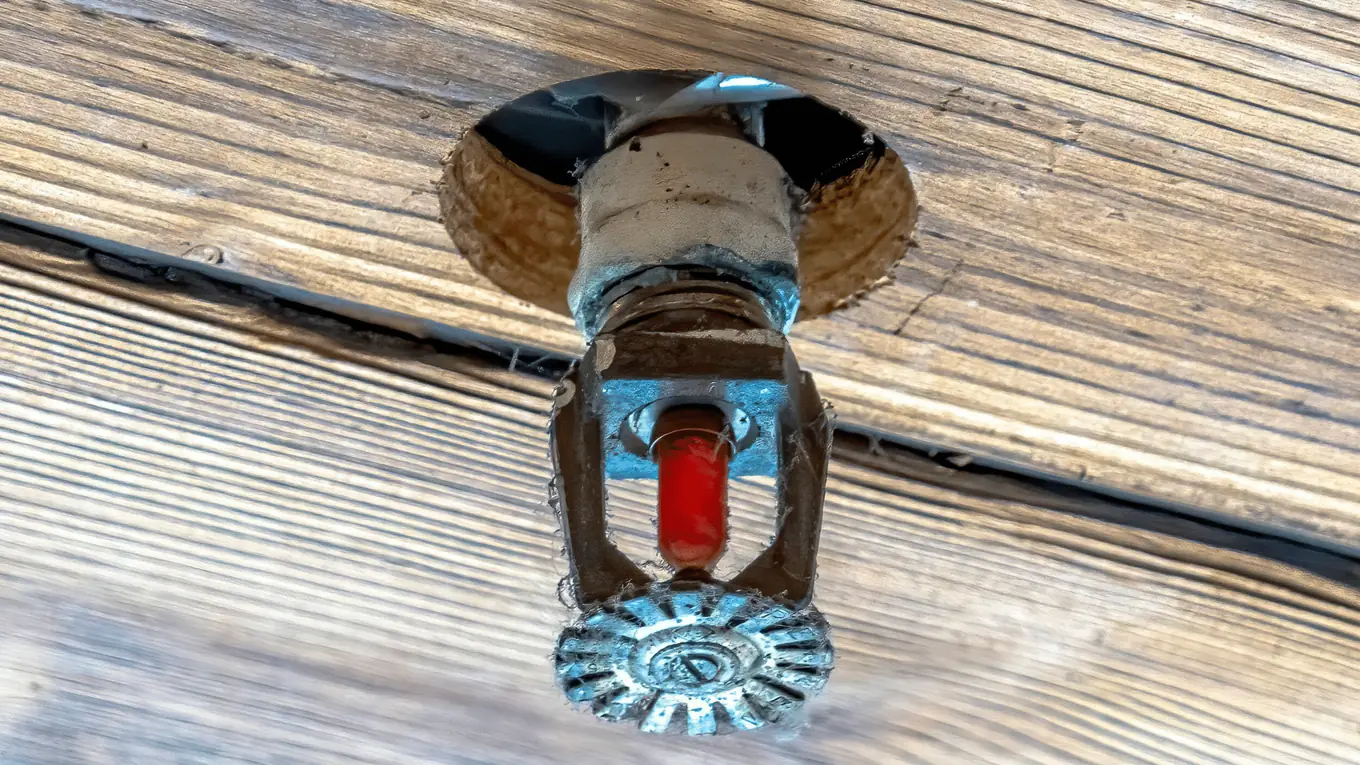
One steady pattern on commercial fire protection Colorado projects is that the best turnover meetings are short. When the team already resolved field mismatches, pretested interfaces, and assembled the paperwork, there is simply less drama left for the final event.
Denver’s annual inspection culture affects how projects should be turned over
Because Denver inspects commercial and institutional properties on a regular annual cycle, turnover should be handled with the next inspection in mind, not just the opening date.
A facility manager inheriting a newly completed space often gets a stack of closeout documents with little explanation. Six or ten months later, the building is asked for records during an inspection, and nobody is sure what is current, what was superseded, or what still needs follow-up. That problem is avoidable.
For owners, one of the smartest turnover habits is making sure the responsible in-house contact understands what systems are present, what records need to be retained, and what recurring service intervals matter to that building. Even a brief handoff conversation can make the difference between a clean annual review and a scramble.
This is where emergency fire protection Denver service also enters the picture. When a system problem appears after occupancy, the value of having a service partner who already understands the site, the approved scope, and the history of deficiencies is hard to overstate. Emergency response is not just about speed. It is about knowing what you are looking at before the first wrench comes out.
New work, modifications, and repairs are where owners get tripped up later
Many buildings pass initial approval and then run into trouble years later during remodels. A new suite is reconfigured, a storage area changes use, a wall moves, or equipment gets added. Someone assumes the existing fire protection can simply stay as is.
Sometimes it can. Sometimes it clearly cannot. The problem is when the decision is made informally.
Colorado’s rules around fire suppression work are a good reminder here. Installation, modification, alteration, or repair generally cannot begin until the required permits are obtained and the job has been registered, with working plans and hydraulic calculations reviewed and approved. That means even “small” changes can trigger a process, depending on what is being changed.
Owners often underestimate this point because the physical work looks minor. A few moved sprinkler heads or a quick control panel revision does not feel like a major event. From an approval standpoint, though, the real question is whether the change affects a regulated fire protection system. If it does, the city process matters.
That is why experienced contractors ask early questions that can sound picky. They are not trying to slow the job down. They are trying to prevent a hidden approval problem from surfacing during a final inspection or during later fire system certification Colorado documentation reviews.
What owners and general contractors should expect from a good fire protection partner
Good fire protection contractors do more than install hardware. They keep the approval path visible. On a Denver project, that usually means they are paying attention to permits, approved plans, hydraulic calculations where applicable, trade coordination, and the timing of acceptance activities.
For owners, that practical oversight is often more valuable than a low bid that treats approval as someone else’s problem. The cheapest number on the front end can get expensive fast if the project burns time on retests, incomplete submittals, or corrective field work.
For general contractors, the main thing to expect is realism. If a fire alarm subcontractor says the acceptance test should not be scheduled yet because the sprinkler interfaces are not ready, listen. If the sprinkler contractor says field installation is complete but sign off cannot happen until pending approvals or documentation are in order, listen to that too. Those warnings usually save schedule, even when they feel inconvenient in the moment.
Sign off is really a confidence check
At its core, final approval is a confidence question. Has the system been reviewed properly, installed to the approved scope, coordinated with the related trades, and demonstrated in a way the city can accept before permit sign off?
That is why the end of the process feels so different on well-managed jobs. There is less posturing, less finger-pointing, and fewer surprises. The system either performs as intended and the records support it, or it does not.
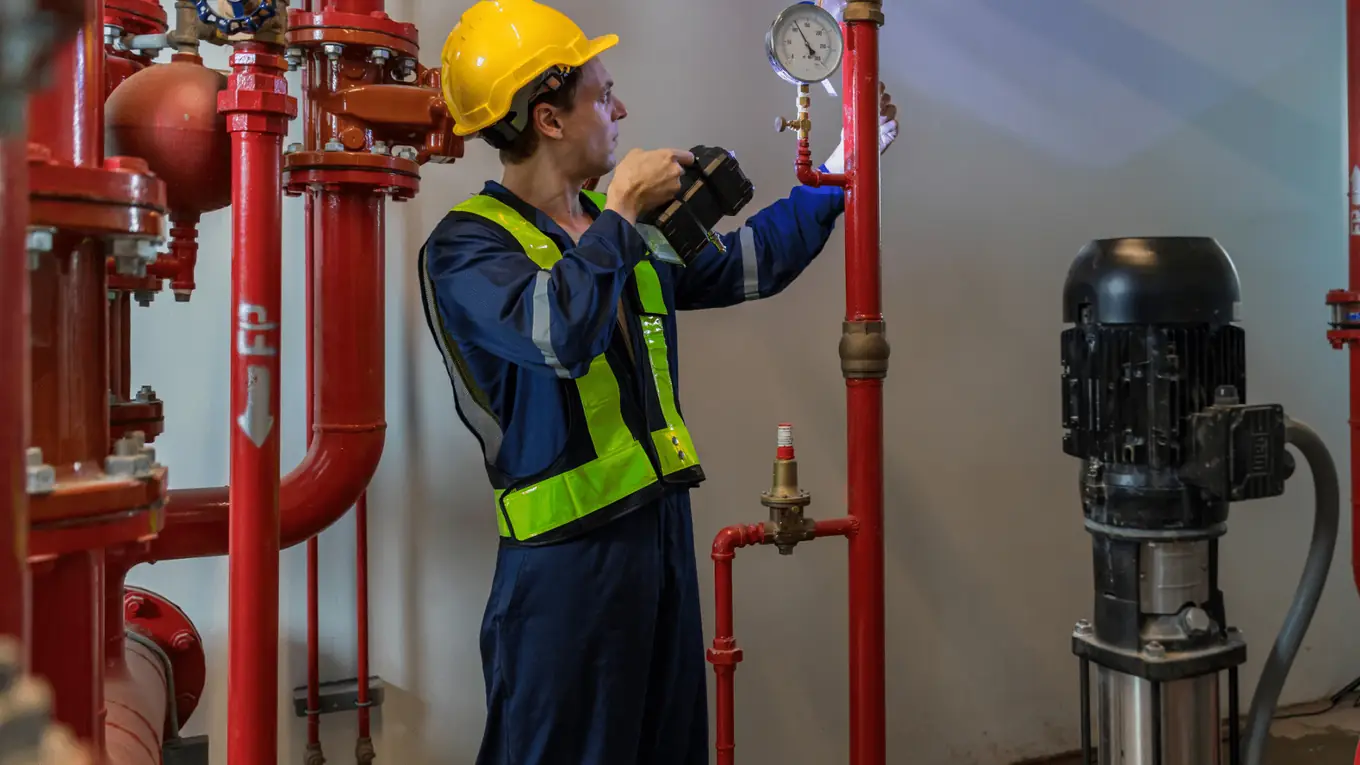
For Denver projects, that means respecting the full path: city permits for most construction-related work, applicable code set timing, fire protection engineering review, required acceptance before final permit sign off, and the ongoing reality of annual inspections for occupied commercial and institutional properties.
When teams understand that from the start, AHJ approval stops being a mysterious gate at the end of the job. It becomes what it really is, a sequence of decisions and verifications that can be managed well. And when it is managed well, fire protection Denver work moves faster, turnover is cleaner, and the building enters service with a lot fewer loose ends.
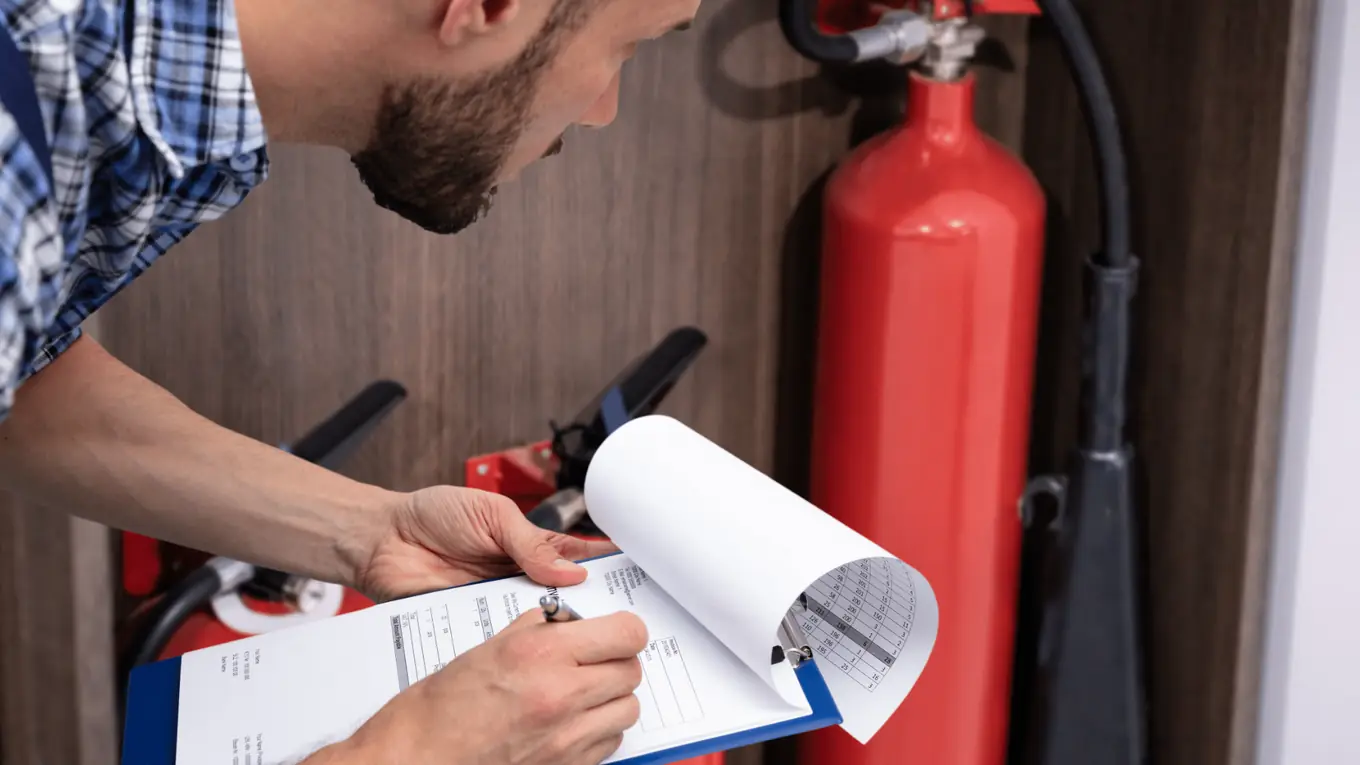
Pre Action Fire, Inc
2921 W 38th Ave, Denver, CO 80211, United States
Phone: (303) 682-0113
Website: https://preactionfire.com